The Baaz Journal
Why Most Leather Chappal Don't Actually Wear Out

Most leather doesn't fail. It's abandoned. A pair of chappal rarely wears out from being worn — it wears out from being ignored.
That's worth sitting with, because it runs against the instinct most people have. We assume things break from use. Machines do. Leather doesn't work that way. Leather is skin, and skin needs the same thing it needed on the animal it came from: a bit of oil, some airflow, and not too much water sitting on it too long. Deny it that and it cracks, not because you wore it too much, but because you didn't do anything else.
So here's what we actually do, and why.
01 — Week One
Let the Leather Catch Up to Your Foot
New leather is stiffer than it will ever be again. That's not a flaw, it's just where it starts. A lot of people wear a new pair for eight hours on day one, get a hot spot at the strap, and conclude the chappal don't fit. Usually they fit fine. The leather just hasn't caught up yet.
Give it an hour the first day. A few hours the next. By the end of a week or two the leather has quietly remapped itself around your foot, and you stop thinking about it entirely, which is the whole goal. You shouldn't have to think about your footwear. That's what "broken in" actually means.
02 — Every Day
Dust Is Fine. Ground-In Dirt Isn't.
A wipe-down after wear sounds like a chore, but it's a five-second habit, and habits compound. Dust sitting on the surface of leather is harmless. Dust rubbed into the surface over weeks of contact is not — it works into the grain and dulls it from the inside, and by the time you notice, it's not a wipe-down anymore, it's a repair.
- Wipe with a soft, slightly damp cloth after wear — this alone prevents most long-term dulling
- Let mud dry fully, then brush it off. Wet mud pushed around just grinds grit deeper in
- Never scrub. Leather isn't a stain you're getting out, it's a surface you're maintaining
03 — When It Rains
Water Isn't the Enemy. Standing Water Is.
People treat leather like it's allergic to water, and it isn't. Leather comes from an animal that lived outside. A short walk in light rain does nothing to it. What actually causes damage is water that sits — soaking in, then drying out fast under a fan or a stove, taking the leather's natural oils with it.
The damage isn't from getting wet. It's from drying wrong.
If your chappal do get properly soaked, here's the order that matters: wipe off the excess immediately, loosely stuff them with cloth or newspaper to hold their shape, and let them dry at room temperature. No heater, no hair dryer, no direct sun. Fast heat is the actual villain here, not the rain.
04 — Once a Month
Conditioning Is the Step Everyone Skips
If you only do one thing from this whole post, do this one. Leather loses its natural oils gradually just from being worn and exposed to air. Nothing dramatic happens on any given day. It's the kind of slow decline you don't notice until the leather is stiff and starting to crack at the fold lines, and by then you're not maintaining it anymore, you're rescuing it.
A small amount of leather conditioner, worked in with a soft cloth, in circular motions, focused on the areas that flex the most — that's it. Let it sit fifteen minutes, buff off what's left. Once every four to six weeks for chappal you wear often. Less if you don't. And don't overdo it — more conditioner doesn't mean more protection, it just means over-softened leather and uneven color.


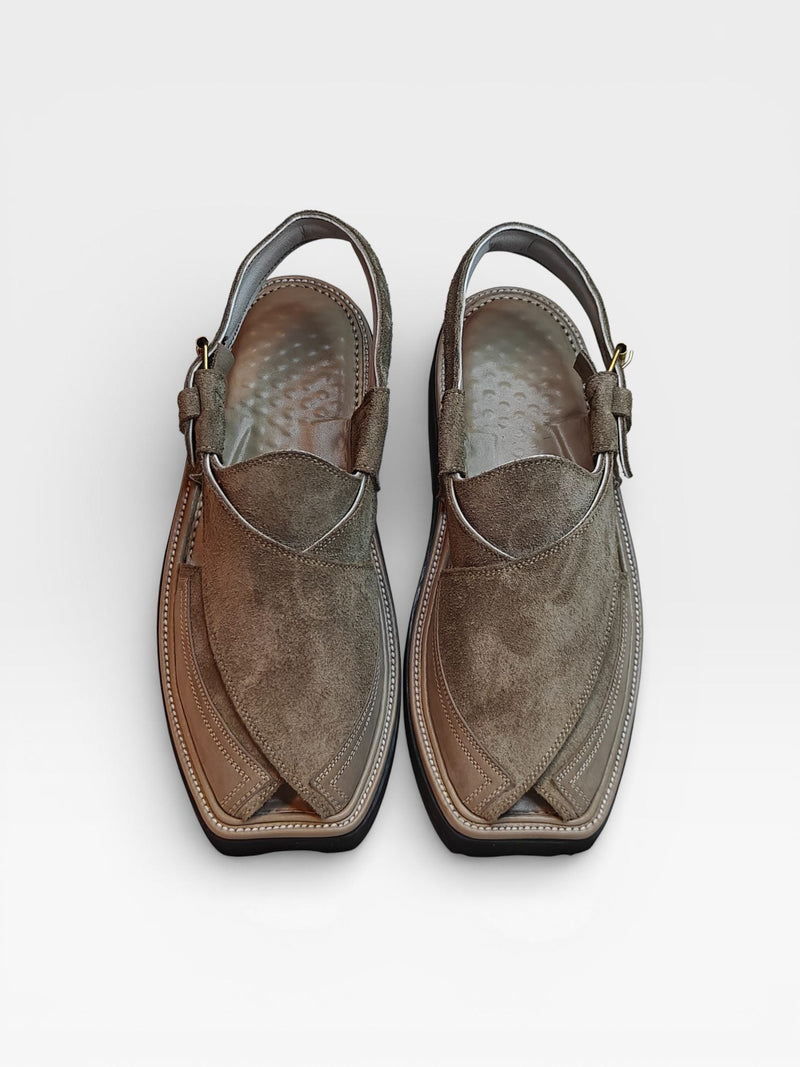
Coco Dune · Old Money Brown
05 — Between Wears
Storage Matters More Than People Think
Where your chappal sit when you're not wearing them does more than most of the actual "care" steps combined. Direct sunlight fades and dries leather steadily, even indoors through a window. Plastic bags trap moisture against a material that needs to breathe, which is how you end up with mold on leather that was otherwise fine.
Keep them somewhere cool, dry, and open to air — a shelf or a cloth bag, not sealed plastic. If you're putting a pair away for a season, condition them first. Storing dry leather for months is how you get a stiff, cracked surface waiting for you at the other end.
06 — The Part People Forget
Check the Stitching, Not Just the Leather
Everyone focuses on the leather itself and forgets that the sole and the stitching take the actual physical load. A loose thread caught early is a two-minute fix. Ignored for a few months, it's a bigger repair, sometimes a bigger cost than a whole new pair would've been.
Glance at the strap stitching every so often. Avoid parking your feet on very hot surfaces for long stretches if your pair has a rubber or EVA sole — heat weakens the adhesive bond over time. And if you wear the same pair daily, consider rotating with a second pair. Uneven sole wear is usually just a sign you need one.


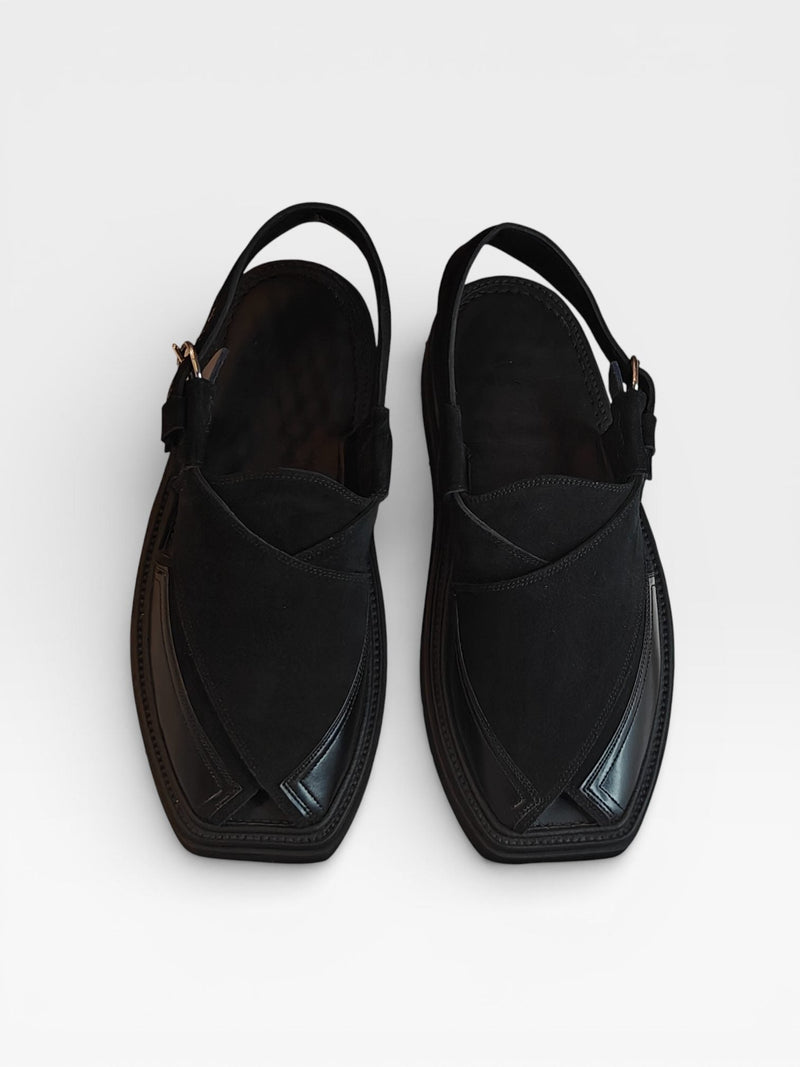
Graphite Grace · Autumn Dune Air
The Short Version
If You Remember Nothing Else
- Wipe down after wear
- Dry slowly, never with direct heat
- Condition every 4–6 weeks
- Store away from sun and sealed plastic
- Check the stitching now and then
None of this is complicated, and none of it takes long. It's just the difference between leather that ages the way it's supposed to — getting better, developing character, lasting a decade — and leather that gives up after one bad monsoon season. The chappal our fathers wore for twenty years weren't made of some superior leather we've lost access to. Somebody just took care of them.
From our workshop to your door
Not sure which pair is yours? Ask us.
Keep reading