The Baaz Journal
Kheri or Peshawari Chappal? The Names Explained in Plain Words
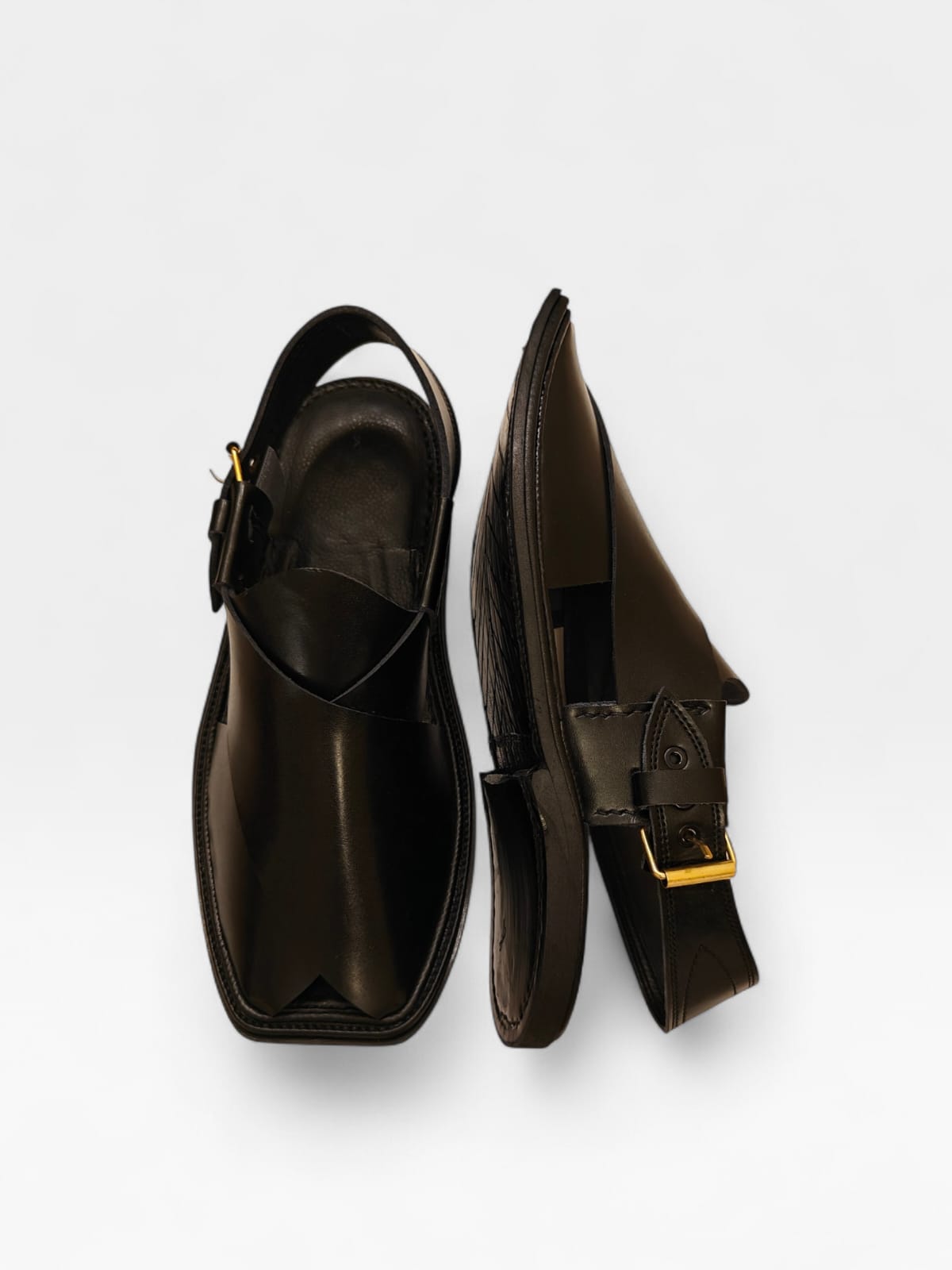
Ask ten men in Pakistan what to call this shoe and you may get ten answers. Kheri. Chappal. Peshawari chappal. Peshawari kheri. Or simply the name of the town where his father bought his first pair. Most of them are right. Here is a plain guide to the names, so you can find the pair you have in mind, whatever you call it.
Kheri and Peshawari chappal: the same shoe
Kheri is the traditional word, and you still hear it at home and in the bazaar, especially in KP. Peshawari chappal is the name most people use today, and it is the one you will see on most shops and websites. It comes from Peshawar, one of the biggest places where these chappals are made. Many people put the two together and say Peshawari kheri.
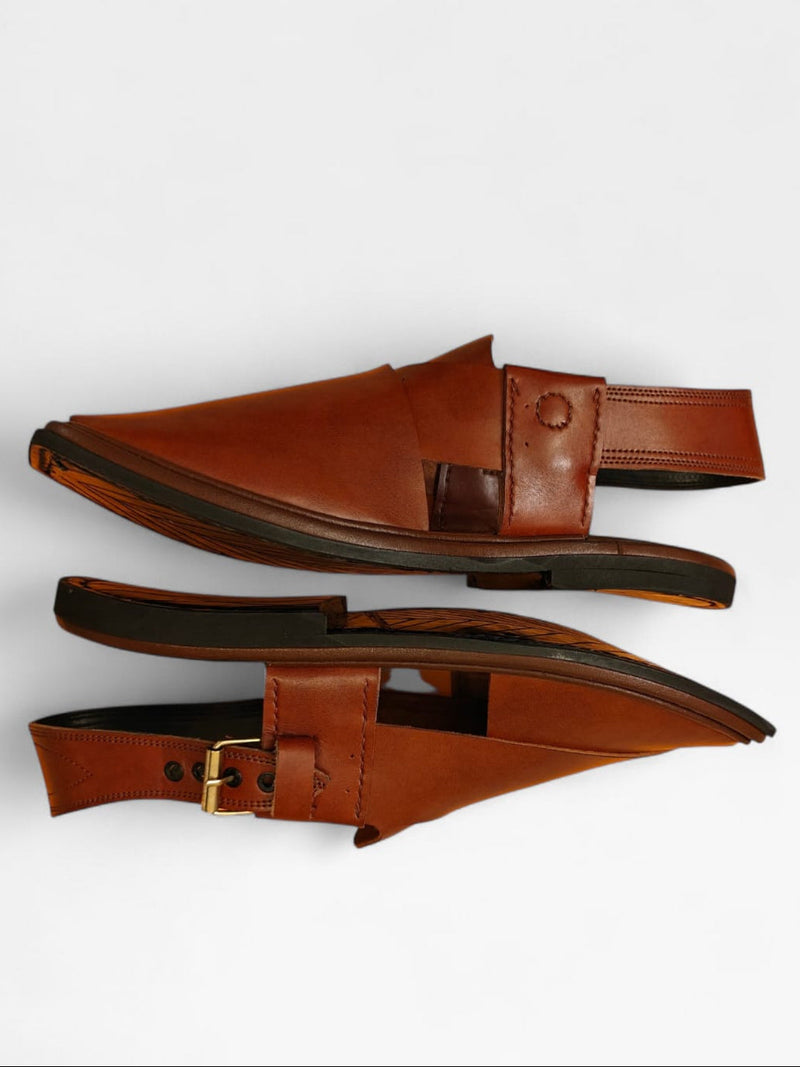
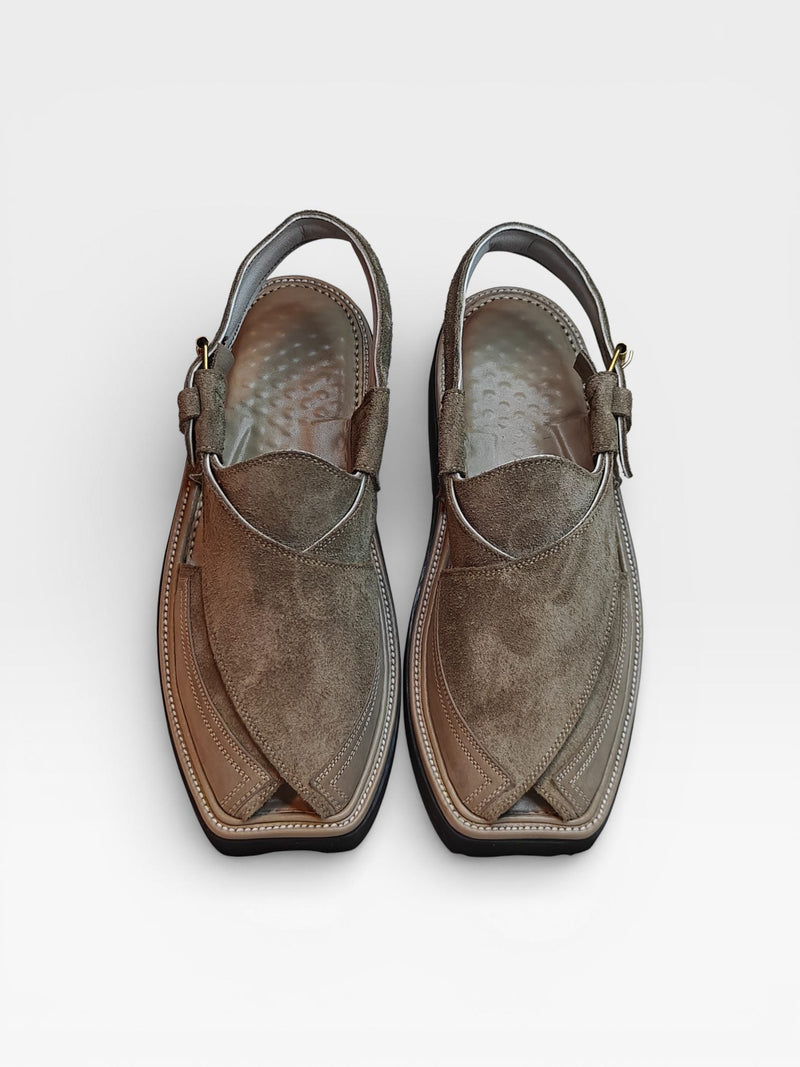
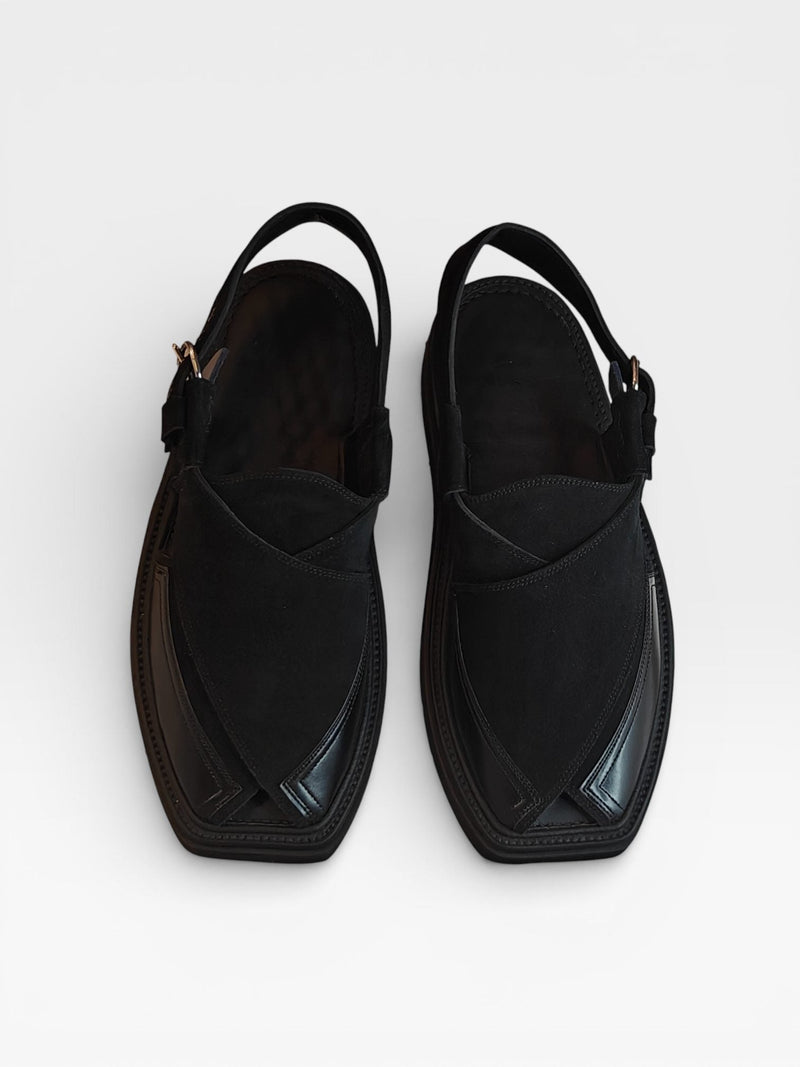
So if you are searching for a kheri, you are looking for the same thing as a Peshawari chappal: a semi closed leather shoe with wide straps across the front of the foot, joined to a sturdy sole, usually with a strap at the back of the heel.
Chappal, sandal or shoe?
In everyday Urdu, chappal can mean almost any open footwear, from a bathroom slipper to a wedding pair. That is why people add the word Peshawari: it tells you this is the strong, hand stitched leather kind, not a rubber slipper. Shops abroad often call it a Peshawari sandal. Different word, same shoe.
Names that come from towns
Some names tell you where a pair was made. Kohati and Chakwali chappals, for example, are named after Kohat and Chakwal, two places with many chappal makers. These names point to a town, not to one fixed design. Every Baaz pair is handmade in KP.
Style names, and the names we use
Then there are the style names. People in the trade give different cuts their own names, and you will hear them in every chappal bazaar. A name might describe the shape of the front, the stitching or how thick the sole is. The trouble is that the same name can mean slightly different things in different cities, so two shops can sell quite different pairs under one name.
At Baaz we keep it simple and sort our pairs by what you can see and feel: the cut, the sole and the leather.
- The classic cut: the traditional Peshawari front, the shape most people picture first. In leather: Old Money Black, Old Money Brown, Heritage Chestnut, Midnight Legacy and Old Grain. In suede: Signature Black, Coco Dune, Autumn Dune Air and Harbour Dune. Start with Classic Peshawari Chappals.
- The chunky sole: a bold, strong look on a thick, raised tyre and cork sole. Autumn Dune in beige and Graphite Grace in grey, both in suede. See Chunky Sole Chappals.
- The Cedar Pair: Burnt Cedar and Charred Cedar, a classic Peshawari design with a cleaner, modern profile, in high chrome leather with a soft sheen, on a lightweight rubber sole. Rs 6,950. See The Cedar Pair.
- Baaz Essentials: Raw Black and Raw Cedar, the plain, no frills pair in genuine cow leather on a durable rubber sole. Rs 4,450. See Baaz Essentials.

If you know a pair by its bazaar name, you will usually find its match in one of these four. Not sure which? Send us the name you know, or a photo, on WhatsApp and we will tell you which Baaz pair is closest.
Is a Peshawari chappal the same as a Kolhapuri?
No, though the two often get mixed up online. A Kolhapuri is a flat, open leather sandal from Kolhapur in India, usually with a loop for the big toe and thin straps. A Peshawari chappal is more closed and more solid, with wide straps over the front of the foot, a strap at the heel and a much sturdier sole. If you want one pair you can wear with a shalwar kameez to a wedding and also on a rough road, you want the Peshawari.
Leather or suede: one more choice
Whatever the cut, a Peshawari chappal comes in leather or suede. Suede is the soft, velvety side of cowhide, and it changes the look completely. Our six suede pairs are together in Suede Peshawari Chappals, and if you are torn between the two, read Leather or Suede? How to Choose Your Peshawari Chappal.
The short version
- Kheri, Peshawari chappal and Peshawari kheri are the same shoe.
- Town names like Kohati or Chakwali tell you where a pair comes from, not one exact design.
- Style names change from city to city, so look at the cut, the sole and the leather instead.
- The sole changes how a pair feels more than any name does. Our guide to Peshawari chappal soles explains each one.
Every Baaz pair is handmade in KP, in sizes 40 to 46, with Big and Tall sizes 47 to 50 made to order. Delivery is free anywhere in Pakistan, you pay cash when your chappals arrive, and you have 15 days to exchange a pair if the size is wrong. See every pair in Shop All.
From our workshop to your door
Not sure which pair is yours? Ask us.
Keep reading